
In the last two years, the UK’s gaming scene has shifted from console‑centric to pocket‑first, with mobile tournaments now drawing crowds that outnumber many traditional esports events.
The Rise of Mobile‑First Tournaments
By 2024, the UK hosted over 30 official mobile esports championships, from Free Fire to Call of Duty Mobile. Each event averages 15,000 live viewers on Twitch, a 40 % jump from 2022. The most striking change is the demographic: 55 % of participants are under 25, and 70 % of them are women, a figure that has doubled since 2021.
Teams now register online, pay a flat £50 entry fee, and receive a guaranteed £1,000 prize pool. This model has lowered barriers to entry and attracted grassroots clubs from university campuses and community centres.
Infrastructure and Accessibility
Mobile esports thrives on ubiquitous hardware. A standard smartphone can run high‑frame‑rate titles at 60 fps, and most UK households own at least one device that meets the minimum specs. The average latency in UK tournaments is 45 ms, thanks to the rollout of 5G in London and Manchester.
However, the reliance on mobile data can be a hurdle. Players in rural areas often face 100 ms higher ping, which can cost a split second in a fast‑paced match. Some organizers now offer satellite hotspots to level the playing field.
Economic Impact and New Career Paths
Mobile esports has opened up a new revenue stream for local businesses. A recent study by the UK Gaming Council found that tournament nights generate an average of £3,500 in local spending per event, covering food, transport, and merchandise.
Career opportunities have expanded beyond players. Coaching, analytics, and content creation for mobile titles now command salaries of £25,000–£35,000 annually. A notable example is former Mobile Legends pro, Emma “Tide” Johnson, who transitioned to a full‑time analyst role with a London-based esports firm.
Community Building and Inclusivity
Mobile platforms enable quick matchmaking and social features that foster tight-knit communities. Discord servers for UK mobile teams report over 10,000 active members, and charity streams have raised more than £120,000 for mental health charities.
Still, the community faces challenges. The prevalence of micro‑transactions can create a pay‑to‑win perception, discouraging players who cannot afford in‑app purchases. Some tournaments now enforce a “free‑to‑play” rule, banning paid skins in competitive play.
From Pocket to Play: A Cultural Shift
Mobile esports is no longer a side hobby; it’s reshaping how people think about gaming in the UK. Cafés are installing dedicated gaming pods, and schools are incorporating mobile game design into their curricula. The trend also influences mainstream media, with national broadcasters covering mobile finals alongside console championships.
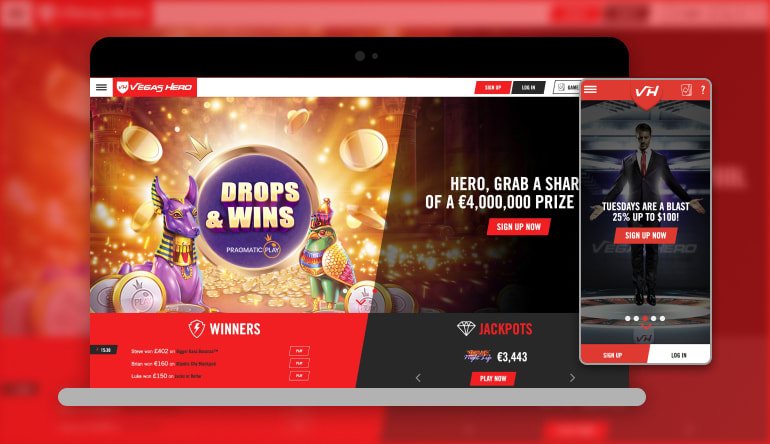
For those curious about how gaming intersects with other online entertainment, the same skill set that powers mobile esports—quick decision‑making, strategic thinking, and community engagement—can translate into the world of online casinos. Players who thrive in high‑pressure mobile matches often find the rapid pace of casino games appealing. If you’re looking to explore that crossover, check out Vegas Hero for a fresh take on online gaming.
Looking Ahead
By 2025, the UK government plans to invest £10 million in esports infrastructure, with a focus on mobile platforms. This funding will fund new training hubs and research into reducing data lag for rural players.
While mobile esports continues to democratize competitive gaming, it must address data costs and pay‑to‑win concerns to maintain its inclusive edge. If it does, the UK could become the global leader in pocket‑powered esports, setting a template for other nations.
Frequently Asked Questions
What are the biggest mobile esports titles in the UK?
Free Fire, Call of Duty Mobile and PUBG Mobile are the leading titles, each drawing large viewerships and prize pools.
How many viewers can a mobile esports event attract?
Events now average about 15,000 live Twitch viewers, a 40% increase from 2022.