
When the first smartphones hit the market in 2007, most people saw them as tools for calling and texting. A few years later, a handful of titles like Clash of Clans turned those devices into arenas where strategy and timing mattered. By 2018, the UK had already begun to notice a shift: more than 30 % of the country’s 18‑to‑24‑year-olds played mobile games daily, and a small but growing fraction of that group was tuning into live streams of mobile competitions.
What makes the UK scene distinct is the blend of grassroots talent and institutional support. Local clubs such as the London Mobile Esports Collective host weekly scrimmages, while universities run courses that pair game design with competitive play. The result is a pipeline of players who can move from a casual match on a commuter phone to a televised tournament in under a year.
Hardware and Connectivity: The Foundations of Speed
Competitive mobile play demands low latency and high frame rates. In 2022, the UK rolled out 5G coverage to 95 % of urban areas, cutting average ping times from 120 ms on 4G to under 30 ms on 5G. Players in London’s tech hubs report that this difference can be the edge between a flawless combo and a missed jump.
On the hardware side, flagship devices such as the Samsung Galaxy S24 Ultra and the Apple iPhone 15 Pro boast 144 Hz displays and 120 Hz refresh rates. When paired with a stable 5G connection, these phones can render complex games like Call of Duty: Mobile at 60 frames per second with minimal stutter.
Game Design: From Arcade to Strategy
Mobile esports titles differ from console games in that they often blend action with resource management. Mobile Legends: Bang Bang, for example, requires players to balance hero upgrades, team composition, and real‑time positioning. The UK’s competitive scene has seen a surge in teams that specialize in meta‑analysis, using data from the last 10,000 matches to predict optimal rune setups.
Another trend is the rise of “battle royale” titles on mobile, such as Apex Legends Mobile. These games force players to adapt quickly to shrinking play zones and dynamic loot drops, mirroring the fast‑paced decision making found in traditional esports.
Community and Sponsorship: Turning Passion into Profession
Financial backing is a key driver. In 2023, a consortium of UK tech firms pledged £2 million to sponsor mobile esports events, covering prize pools, travel, and equipment. The first sponsored tournament, held in Manchester, offered a £50,000 prize to the winning duo. This influx of capital has made it possible for players to train full time.
Social media platforms also play a role. Twitch streams of mobile tournaments now average 15,000 concurrent viewers, and YouTube channels dedicated to mobile strategy tutorials garner millions of views annually. These channels provide not just entertainment but a learning resource that players can tap into at any hour.
Challenges and the Road Ahead
Despite the growth, mobile esports faces hurdles. One limitation is the lack of standardized controller support. While most players use touch controls, some tournaments allow external Bluetooth gamepads, creating a split in skill assessment. Players who rely on touch may find it harder to compete against those who have fine‑tuned their grip on a physical controller.
Another issue is the disparity in device quality. A player with a budget smartphone may experience frame drops that a high‑end device does not, leading to uneven competition. Some tournaments now require a minimum device specification, but this excludes a segment of the community that prefers more affordable hardware.
Looking forward, the integration of cloud gaming services could level the playing field. By streaming games from powerful servers, players on lower‑spec devices could enjoy the same performance as those with flagship phones. However, this depends on network reliability and the willingness of developers to adopt cloud infrastructure.
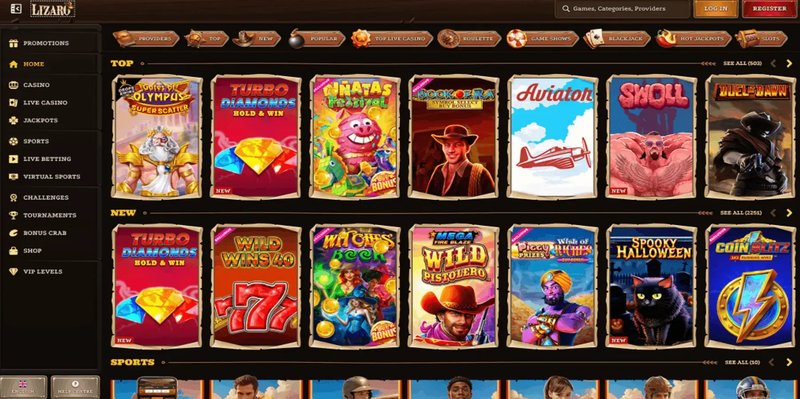
Meanwhile, the cross‑pollination between mobile esports and other entertainment sectors is becoming more pronounced. For instance, a recent partnership between a popular mobile game and an online casino platform—Casino Lizaro—demonstrated how gaming communities can expand into broader digital experiences, offering fans new ways to engage outside the competitive arena.
Conclusion: A Wave Worth Riding
The UK’s mobile esports scene is no longer a niche curiosity. With 5G coverage, high‑performance devices, and growing institutional support, players are pushing the boundaries of what can be achieved on a phone screen. While challenges remain—especially around equipment parity and control standardization—the momentum is unmistakable. As more tournaments offer substantial prize pools and media coverage expands, the next wave of gaming will likely be defined by the very hands that once held a pocket‑sized console, now wielding the power of a full‑featured smartphone.
Frequently Asked Questions
What defines competitive mobile gaming in the UK?
It involves organized tournaments, professional teams, and live streaming events that attract a dedicated audience and sponsors.
How popular are mobile competitions among UK teens?
Over 30% of 18‑to‑24‑year-olds play daily, with a growing minority tuning into live streams of mobile esports.
What benefits do players gain from competing?
They improve strategy, teamwork, and reaction times, and can earn sponsorships or career opportunities.
Where can newcomers start?
Join local clubs, online communities, or view televised tournaments to learn rules and find practice partners.